


Trail Ridge Road is a celebrity around these parts. The highest continuous paved road in North America, it traverses 48 miles east to west across Rocky Mountain National Park (RMNP), climbing nearly 4,000 feet with sweeping views and frequent wildlife sightings.
There’s just one hiccup: because of its unique elevation and location, Trail Ridge Road is closed in the winter, generally opening to traffic around Memorial Day (and closing again in mid-October), depending on weather conditions and snow removal needs.
Fortunately, visitors have access to an array of impressive and equally scenic driving options near Grand Lake throughout the spring and early summer. With quieter roads and active fauna, it’s a rewarding and low-stress time to explore Grand Lake by car. Here’s what you need to know about where to go and what to expect along the way.
Routes to Explore in May & June
So, where to steer your car when Trail Ridge Road isn’t an option? Stillwater Pass takes drivers off the pavement and along 19.7 miles of mostly well‑maintained service road that cuts between the Never Summer Wilderness Area and Arapaho National Forest. While portions of the route are generally manageable for 2WD vehicles, some sections are rougher and require high clearance and 4WD, so conditions should be assessed before setting out.
On your way to the summit, you’ll be able to see Gravel and Apiatan mountains, wildflower-filled meadows, and dense forests, plus, potentially, elk, deer, or coyotes. The road generally opens for the season in late May. As an alternative, consider CO Highway 6, which traces the southern edge of Lake Granby and continues toward Monarch Lake. Along the route, you’ll find trailheads, lake access points, and notable water features like Granby Dam, part of the Colorado‑Big Thompson Project, as well as opportunities to spot wildlife such as osprey and moose.
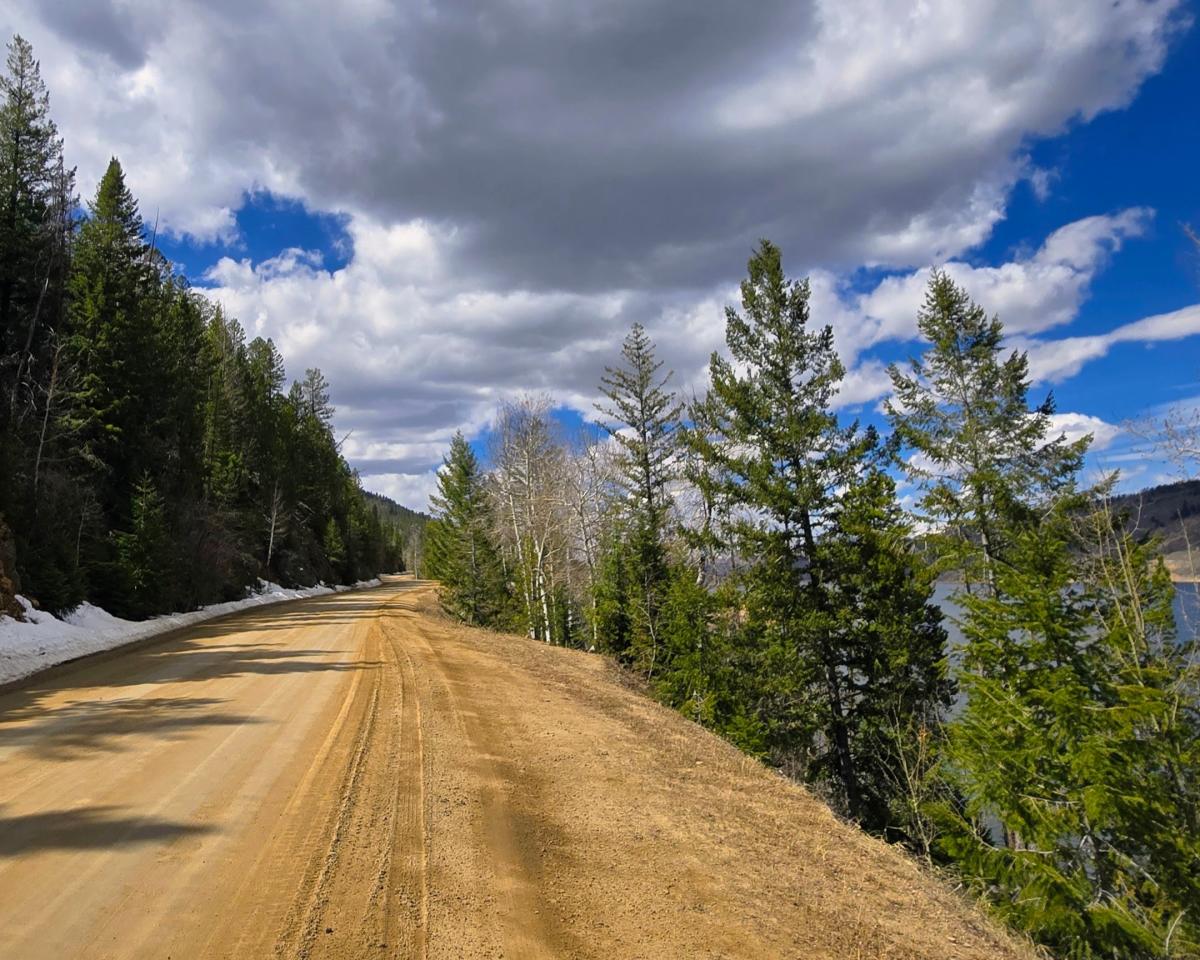
Willow Creek Pass, located west of Lake Granby and accessed via CO‑125, is worth the short trek to the start for the array of willow, lodgepole pine, and spruce trees that line the river, along with panoramic views over RMNP from the top. The surrounding landscape also bears the effects of the East Troublesome Fire of 2020, which altered sections of the area.
One of the most beautiful vistas within RMNP (and that’s saying something) can be found in the Kawuneeche Valley, which is accessible from the park’s Grand Lake (west) entrance even when Trail Ridge Road remains closed. The route is open for about 10 miles before the seasonal closure, offering access to more than a dozen trailheads throughout the valley. Moose and elk frequent the area, which is speckled with lush forests and a backdrop of craggy peaks.
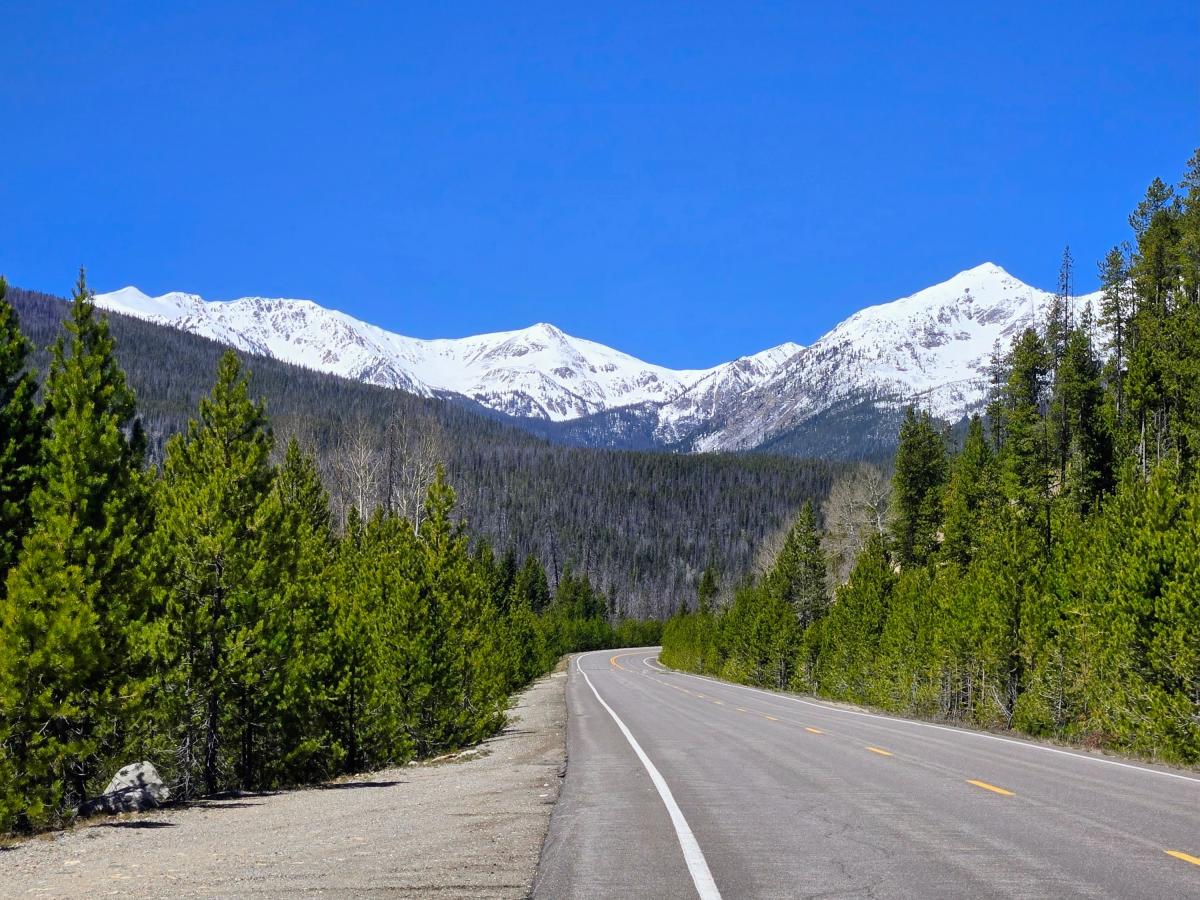
Ride beside one of the country’s mightiest rivers as you traverse the Colorado River Headwaters Scenic Byway, one of 26 specially designated thoroughfares in the state. The road meanders about 80 miles, from just north of Grand Lake to State Bridge, passing quintessential Colorado vistas. Explore the beauty of the valley by driving part of the route through Granby and Hot Sulphur Springs (may we suggest pulling over for a soak?). These sections are well-maintained but can get slick depending on the weather.
Wildlife Viewing Along Early‑Season Driving Routes
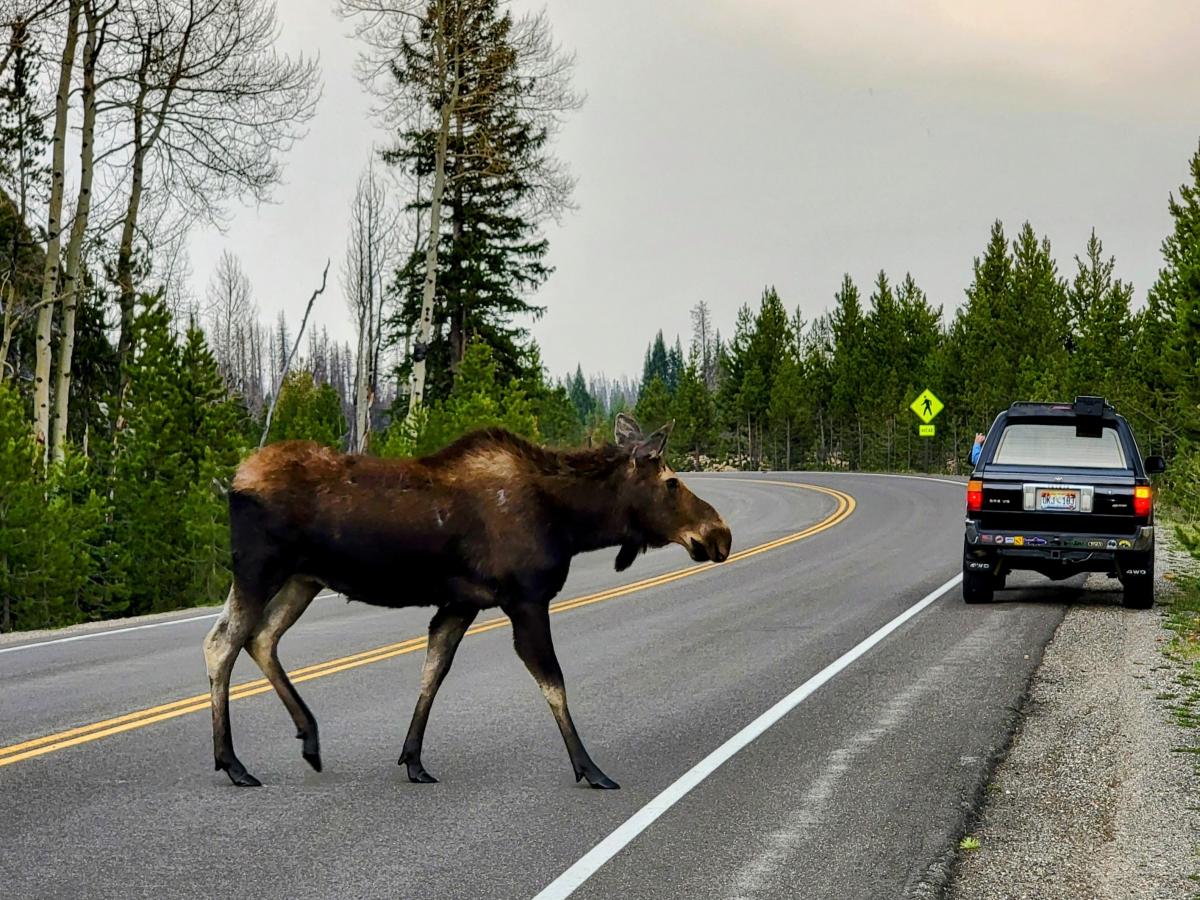
Wildlife are, well, wild, so there are never any guarantees for exactly where they’ll be. But the numerous pull-offs available in RMNP’s Kawuneeche Valley offer some of the safest, most reliable places to stop and take in what’s around. Patience is key, as moose, elk, and mule deer are often spotted here. Spring is calving season, so be especially mindful of maintaining a safe distance. Never feed or yell at the animals, and plan your viewing for dawn or dusk, when activity is typically highest.
Spring Road Conditions & Vehicle Considerations
Spring in Grand Lake brings a mix of lingering winter and early summer conditions, so flexibility is key when planning scenic drives or day trips. As snow melts at higher elevations, travelers may encounter icy patches in shaded areas, slick pavement after storms, muddy stretches on lesser‑traveled routes, and unpaved roads that haven’t fully dried out for the season.
Low‑clearance vehicles aren’t well-suited for these conditions, especially for accessing trailheads, striking byways, or areas outside of town. An SUV with four‑wheel drive offers added traction and peace of mind, particularly during cooler morning hours. Even on well‑maintained routes, allow extra travel time and drive cautiously, as spring conditions can shift throughout the day.
How to Check Road Status & Conditions Before You Go
Rocky Mountain National Park and COtrip maintain current looks at road conditions, closures, traffic, and more. There are also live webcams, including in the Kawuneeche Valley, that can provide a visual on conditions. Analyze those sites for your planned route, along with your chosen weather app, to make real-time, smart decisions before heading out.
The season brings serenity and quiet to the valley, and it’s the perfect time to take a scenic drive, even with Trail Ridge Road being closed. View the area’s dramatic splendor and see some of our wildlife neighbors, all while staying warm and toasty in your vehicle. Explore more spring travel ideas and start planning your visit to our charming enclave.